We live in an era of extraordinary acceleration. Technologies evolve faster than cultural wisdom, and innovation now shapes daily life at a pace the human nervous system did not evolve to meet. Information streams without pause. Screens glow from morning to night. Alerts, headlines, images, and opinions flood the senses. This is not merely change—it is saturation. And for many, it quietly manifests as tension, restlessness, and a persistent feeling of being mentally “overfull.”
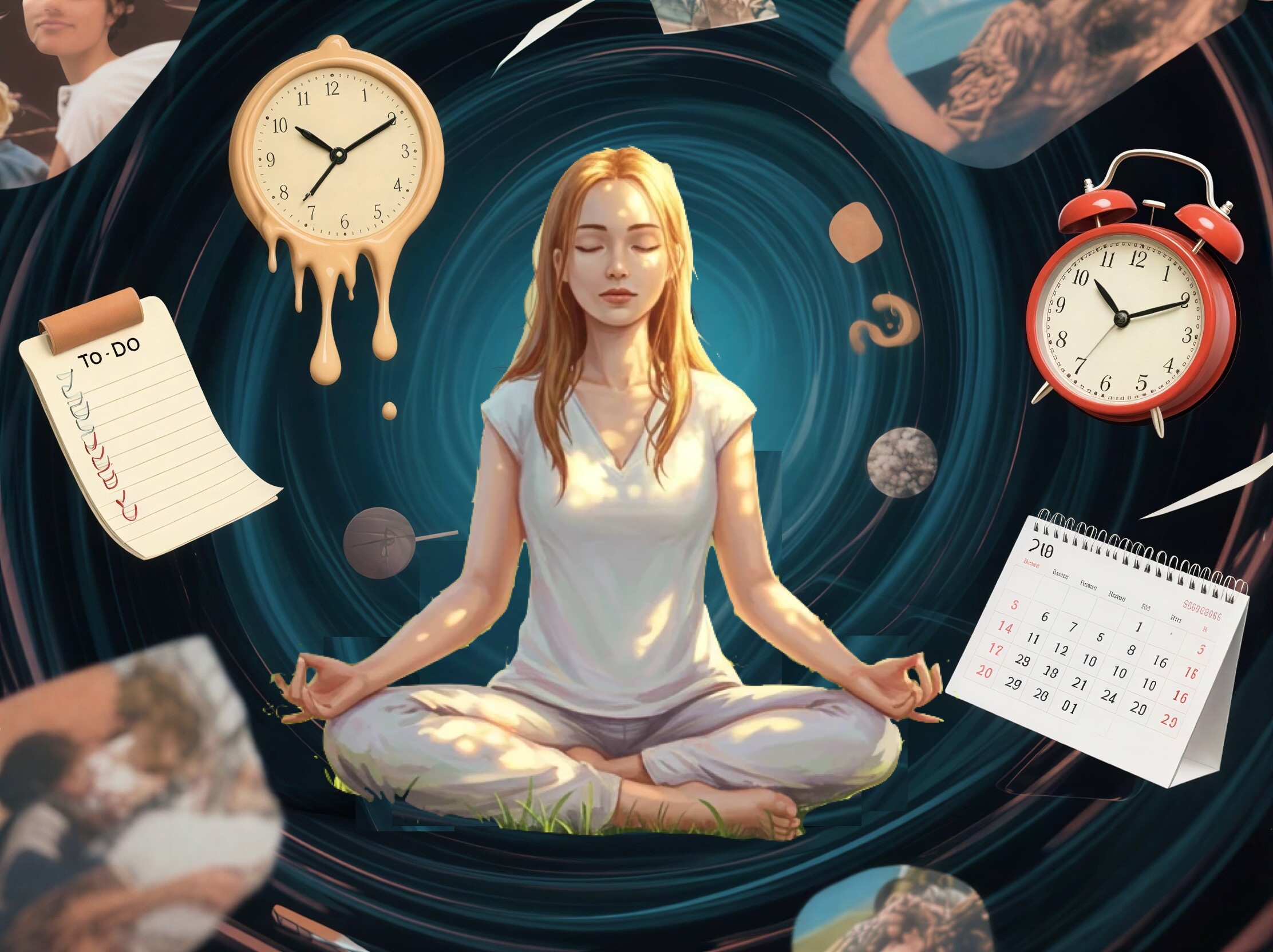 The modern challenge is not a lack of stimulation, but an excess of it. The mind is rarely empty, the body rarely still. Even moments of leisure are often filled with content. This condition of continuous input—information overload paired with sensory stimulation—keeps the nervous system in a low-grade state of alert. Over time, attention fragments, emotions become more reactive, and the capacity for presence erodes. We move quickly, but shallowly.
In this environment, practices like yoga and meditation are no longer luxuries or lifestyle accessories; they are forms of essential hygiene. Just as movement restores circulation to a sedentary body, meditation restores spaciousness to a crowded mind. It interrupts the compulsive outward pull of attention and returns awareness to breath, sensation, and direct experience. This inward turning is not escape—it is recalibration.
Yoga reminds us that intelligence is not only cognitive but embodied. The breath teaches rhythm. Posture teaches alignment. Stillness teaches discernment. Through practice, we begin to sense the difference between stimulation and nourishment, between urgency and importance. We recover the space between impulse and action.
As technology reshapes our economy, relationships, and sense of self, balance becomes a quiet form of resistance. Choosing presence over distraction, depth over speed, and integration over accumulation preserves something profoundly human. In a world increasingly engineered to capture attention, the ability to rest it may be among the most important skills we can cultivate.